

Establishing clear project goals and objectives. The key principle of effective project management is establishing clear goals and objectives to be achieved. This helps to determine the scope of work, resources, deadlines and expected results of the project.
Project planning and organization. To achieve project success, it is necessary to develop a detailed plan that includes all stages and tasks of the project, as well as to determine the resources, budget and deadlines for completing the work. Project organization includes the appointment of responsible persons, distribution of roles and responsibilities.
Risk management. Risk is an integral part of any project. Effective risk management allows you to foresee possible problems and develop strategies and action plans to minimize or prevent them.
Communication and coordination. An important principle of effective project and portfolio management is the establishment of effective communication within the project team, as well as with stakeholders. Coordination of work and information exchange help ensure the timely completion of tasks and the achievement of goals.
Monitoring and control. One of the main principles of effective project management is continuous monitoring and control of work execution. This allows for timely detection of deviations from the plan and taking corrective measures to restore the situation.
Strategic planning tools and methods in project management are an integral part of the project and investment portfolio management process. They allow you to define the goals, objectives and priorities of the project, as well as develop a strategy to achieve these goals.
One of the main strategic planning tools is SWOT analysis. It allows you to identify the strengths and weaknesses of the project, as well as the opportunities and threats that may affect its successful implementation. SWOT analysis helps to identify the competitive advantages of the project and develop a strategy that takes into account the external environment and internal capabilities.
Another important strategic planning method is the definition of key performance indicators (KPI). KPIs allow you to measure the effectiveness of the project and monitor the achievement of goals. They can be related to the project completion time, quality of work, budget and other factors.
Another important tool is the construction of a Gantt chart. It allows you to visually represent the sequence of tasks and their deadlines. The Gantt chart helps you plan and control the progress of the project, as well as determine the dependencies between tasks and resources.
Strategic planning also includes identifying risks and developing a plan to respond to them. Risk management allows you to anticipate possible problems and develop a strategy for managing them. This includes determining the probability and impact of risks, as well as developing an action plan to minimize their negative impact on the project.
Strategic planning tools and methods allow you to effectively manage projects and achieve your goals. They help define a strategy that takes into account external and internal factors, control project execution, and respond to emerging risks. They are an integral part of successful project and investment portfolio management.
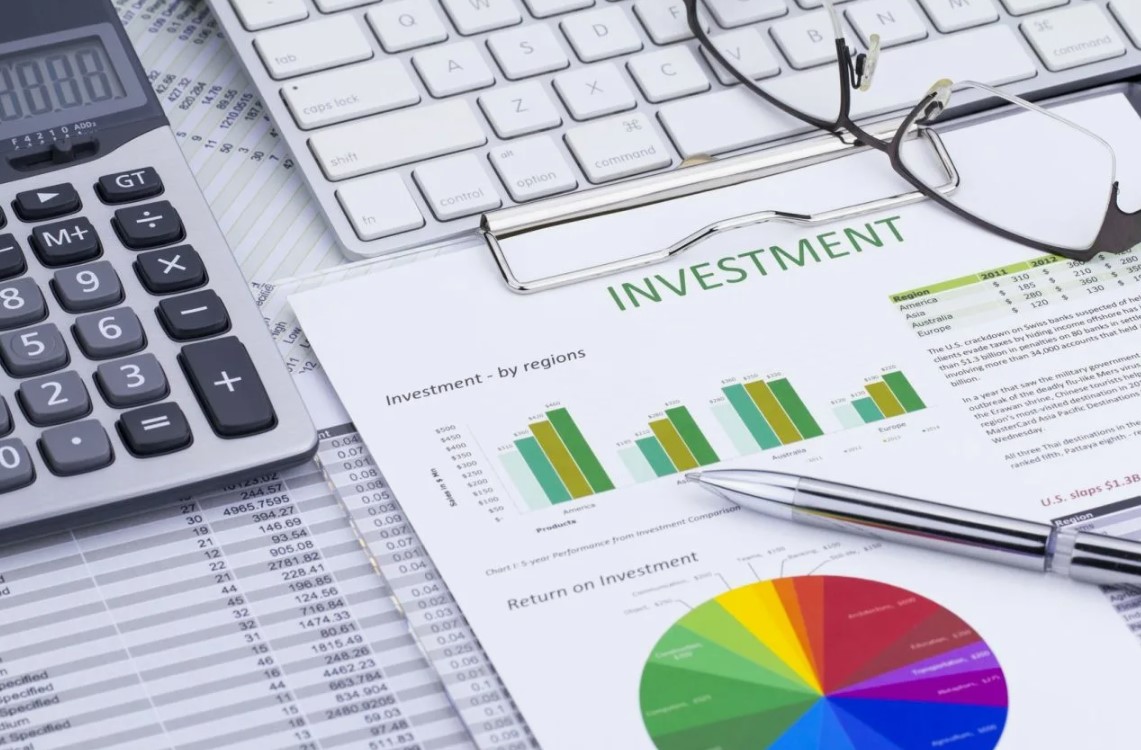
To effectively manage projects and investment portfolios, it is necessary to identify and manage risks. Risks arise from the uncertainty and obscurity that accompany any project or investment. They can negatively affect the achievement of project objectives or lead to financial losses.
Risk identification is the process of identifying and assessing potential threats and opportunities that may affect a project or investment. It allows you to understand what risks may arise and develop plans to manage them.
Risk management includes measures to reduce risks, control their impact, and plan and implement measures to eliminate their consequences. It is an important part of the project and investment portfolio management strategy, which helps to minimize losses and improve the efficiency of projects and investments.
Various methods and tools can be used to identify and manage risks in projects and investment portfolios. One of them is risk analysis, which allows you to determine the probability of risks and their potential consequences. You can also use a risk matrix, which allows you to classify risks by their impact and probability of occurrence.
It is important to remember that risk identification and management is an ongoing process. Risks may change during the life cycle of a project or investment, so they need to be continually monitored, analyzed, and managed.